Tracing Reward Credit Movements Across Blended Gaming Channels in Oversight-Regulated Markets
Mia Hayes · Jun 15, 2026
Tracing Reward Credit Movements Across Blended Gaming Channels in Oversight-Regulated Markets
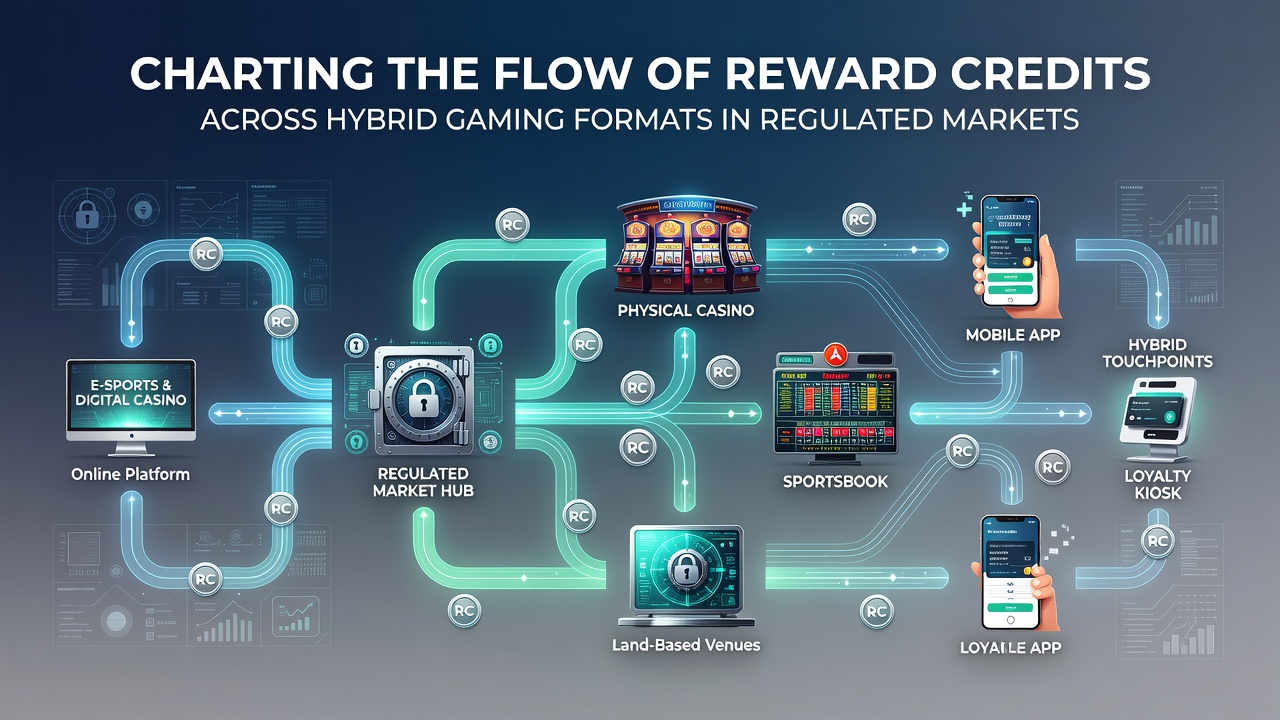
Hybrid gaming systems now allow players to accumulate and redeem reward credits across online slots, live dealer tables, and physical venues, with data platforms tracking every transfer under strict oversight in multiple jurisdictions. Regulated markets in North America and parts of Europe have developed unified player accounts that maintain credit balances while players switch between digital and retail formats, and these systems rely on real-time APIs to prevent duplication or loss during transitions.
Core Mechanisms Behind Credit Flow
Operators integrate loyalty engines that assign points based on wager volume regardless of whether activity occurs on a mobile app or at a casino floor terminal, and the same engine converts those points into credits usable for bonuses or cashback. Data shows that seamless transfers require encrypted ledgers updated every few seconds, which reduces disputes while maintaining compliance with local record-keeping rules. In practice, a player might earn credits during an online roulette session and then apply them toward a land-based slot machine within the same hour, provided the account verification protocols align across both channels.
Technical standards from bodies such as the Nevada Gaming Control Board require audit trails that capture each credit movement, including timestamps, game type, and player identifier. These trails enable regulators to review patterns without accessing personal financial details, and they also support responsible gaming tools that flag unusual activity. Hybrid platforms therefore embed these requirements into their architecture from the outset rather than adding them later.
Regulatory Frameworks Guiding Transfers
Jurisdictions outside the United Kingdom have introduced specific rules for cross-format credit handling, with Australian state regulators requiring operators to demonstrate that reward systems do not encourage excessive play when credits move between online and venue environments. Pennsylvania’s gaming control agency similarly mandates that any credit earned in one format must carry identical value and redemption options when used in another, eliminating hidden fees that could distort player expectations. Observers note that such parity rules emerged after early hybrid pilots revealed discrepancies in point valuation, prompting clearer guidelines.
June 2026 marks the scheduled rollout of updated data-sharing protocols across several Canadian provinces, where provincial gaming commissions will require operators to submit aggregated flow reports quarterly instead of annually. These reports will detail average transfer volumes and peak redemption times, supplying regulators with metrics to assess market stability without restricting legitimate play. Research from university gaming studies programs indicates that transparent reporting correlates with higher player retention when systems feel consistent across formats.
Technology Supporting Cross-Format Tracking
Cloud-based player management systems now serve as the central hub for credit ledgers, connecting mobile apps to venue kiosks through secure token exchanges rather than direct database links. This architecture allows instant balance updates while isolating each operator’s proprietary algorithms from competitors. When a credit transfer occurs, the system records the originating game category, the destination format, and any bonus multipliers applied, creating a complete chain of custody.
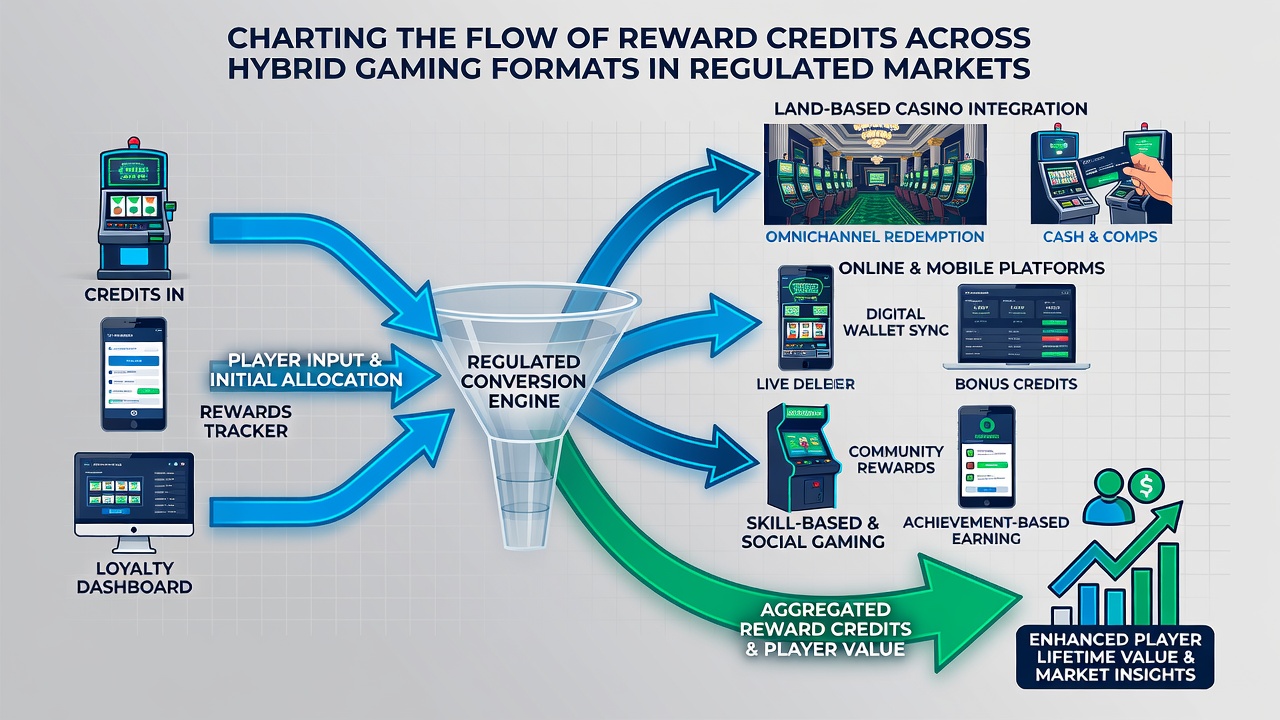
Tokenization further protects these movements by converting credit values into temporary digital tokens that expire after redemption, which limits exposure if any single point in the network encounters interference. Industry reports from the Gaming Laboratories International organization confirm that token-based systems have reduced reconciliation errors by more than half in markets where they have been deployed for at least two years. Operators therefore prioritize these tools when expanding into new regulated territories.
Market Examples and Data Patterns
Take one North American operator that launched a hybrid loyalty program in 2024; within twelve months the company recorded that nearly forty percent of all credits earned online were later redeemed at land-based properties, demonstrating genuine cross-format engagement. Similar patterns appear in select European markets where multi-license holders operate both online and retail assets under unified regulatory umbrellas. Figures reveal that peak transfer activity occurs during evening hours when players transition from mobile sessions to venue visits, and systems must handle these spikes without latency that could interrupt play.
Another case involves a regional operator in Australia that linked its online slots platform with loyalty terminals at partner pubs; data collected over eighteen months showed that average session length increased when credits flowed freely between the two environments. Regulators reviewed these outcomes through anonymized datasets and determined that existing responsible gaming limits remained effective, leading to no additional restrictions on credit mobility. Such findings encourage other jurisdictions to consider similar frameworks rather than isolating online and retail reward structures.
Future Integration Trends
Emerging standards focus on interoperability between different software providers so that credits earned on one supplier’s games can transfer to another supplier’s platform without manual intervention. Pilot programs scheduled for late 2026 aim to test these connections under live regulatory supervision, with emphasis on maintaining audit integrity across vendor boundaries. Participants expect that successful trials will shorten development cycles for new hybrid offerings while preserving the oversight mechanisms already in place.
Conclusion
Reward credit systems in hybrid gaming continue to evolve under coordinated regulatory and technical requirements that prioritize traceability and parity across formats. Data from multiple regions shows measurable player activity when transfers function smoothly, and operators that align their platforms with jurisdiction-specific rules maintain operational continuity. As June 2026 approaches, updated reporting protocols and interoperability pilots will supply additional evidence on how these flows affect both compliance and engagement metrics in regulated markets.