Stakelogic BV Reaches Settlement with UK Gambling Commission After Slot Timing Violations Surface
Wendy Beck · Jun 29, 2026

Stakelogic BV Reaches Settlement with UK Gambling Commission After Slot Timing Violations Surface
The UK Gambling Commission has confirmed a regulatory settlement requiring Stakelogic BV to pay £122,835 after the software provider's slot games failed to maintain the minimum 2.5-second interval between spins, and this development comes as operators continue to navigate evolving compliance expectations across the British market.
Details of the Technical Breach
Investigators found that sixteen individual slot titles operated with spin intervals dropping below the required threshold, reaching speeds as low as 1.97 seconds in some instances, while the breaches spanned multiple operational periods between 2021 and 2025. The Remote Technical Standards (RTS 14 – Responsible Product Design) establish these timing requirements to support responsible gambling practices, and Stakelogic's games did not consistently meet those benchmarks across the affected releases. Data from the regulator's review showed the violations occurred without any evidence of deliberate intent, yet the technical shortfall still triggered formal enforcement action under existing licensing conditions.
Stakelogic conducted its own internal review before notifying the Commission, which allowed the matter to proceed through a settlement process rather than a full contested hearing. The firm has since revised its quality assurance protocols, introducing additional automated checks that now run before any game update reaches live environments, and these measures aim to prevent similar timing discrepancies from reoccurring in future deployments.
How the Issue Came to Light
Self-reporting played a central role in the case, as Stakelogic identified the speed anomalies during routine compliance testing and immediately escalated the findings to the regulator. The Commission reviewed the submitted evidence, verified the extent of the breaches across the sixteen titles, and determined the appropriate financial penalty based on the duration and scope of the non-compliance. Observers note that such self-reporting pathways often result in reduced sanctions when companies demonstrate transparency and take prompt corrective steps, which aligns with the outcome here.
Regulatory Context and Standards
The Remote Technical Standards (RTS 14 – Responsible Product Design) set clear parameters for game mechanics that affect player pacing, and the 2.5-second minimum spin interval forms one component of those broader guidelines. Stakelogic's affected games operated outside those parameters for extended periods, prompting the Commission to classify the lapse as a breach of responsible product design obligations. The settlement amount reflects both the scale of the technical shortfall and the company's cooperation throughout the investigation process.
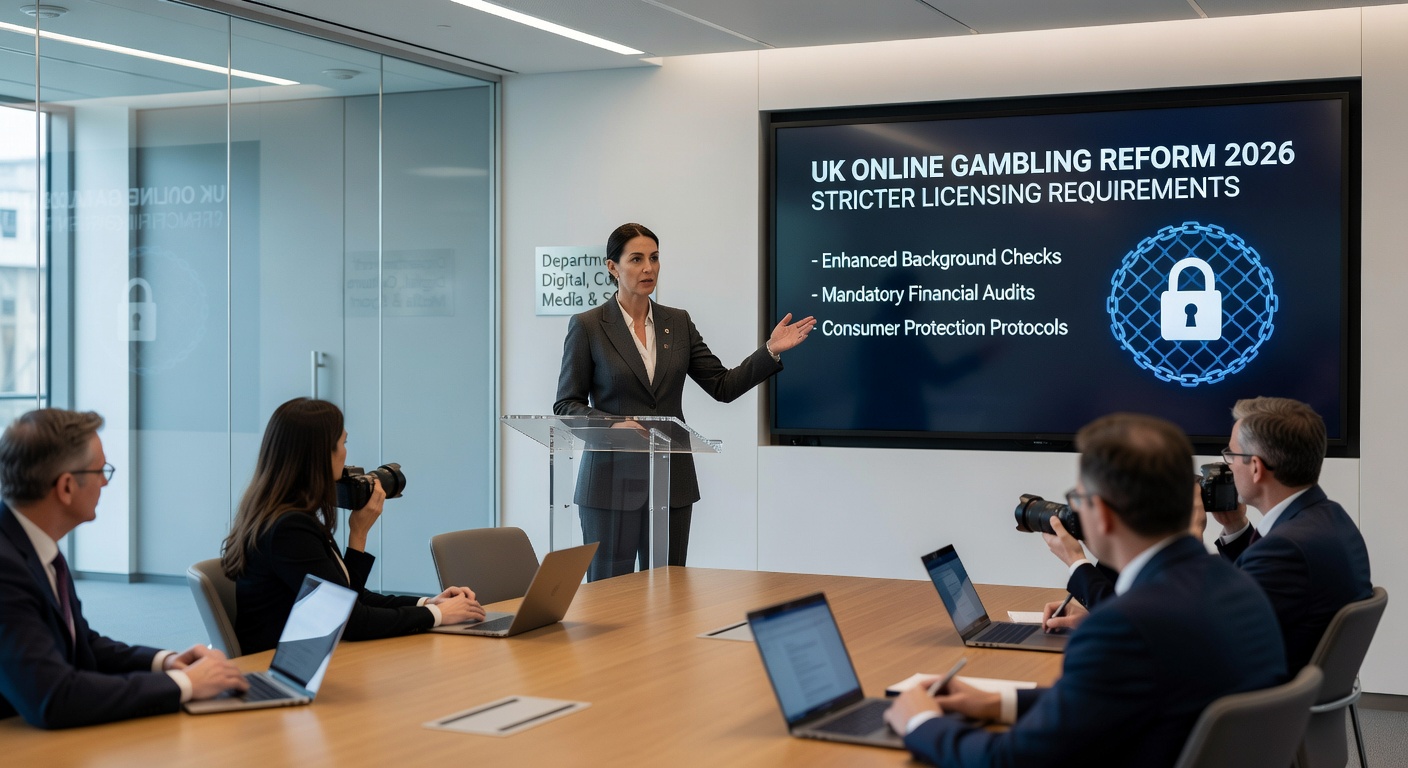
Those who have followed similar enforcement actions know the Commission places significant weight on whether operators or suppliers identify issues themselves, and Stakelogic's decision to come forward early likely influenced the final terms. The company has now embedded stricter validation layers into its development pipeline, ensuring that any future game releases undergo multiple timing verifications before certification submissions occur.
Changes Implemented by Stakelogic
Following the settlement, Stakelogic updated its internal testing procedures to include continuous monitoring of spin intervals across all active titles, and the firm now runs periodic audits that simulate real-world play conditions to catch any deviations before they affect live players. These procedural enhancements address the root cause of the earlier breaches, which stemmed from inconsistent application of timing controls during software updates and platform integrations. The regulator has acknowledged receipt of the revised protocols, and ongoing compliance monitoring will assess whether the new measures maintain the required standards over time.
Industry participants often discover that small technical oversights can accumulate into larger regulatory matters when left unchecked, yet teh settlement structure here emphasizes remediation alongside the financial component. Stakelogic continues to supply games to UK-licensed operators, and the improved testing framework now forms part of its standard release process for any new content.
Conclusion
The case illustrates how the UK Gambling Commission applies its technical standards to software providers, with the £122,835 settlement serving as a direct consequence of the documented spin interval shortfalls across sixteen titles. Stakelogic's self-reporting and subsequent procedural upgrades allowed the matter to conclude through settlement, while the Commission maintains its focus on ensuring all games meet the established timing requirements that support responsible play. Further updates on compliance outcomes will continue to emerge as operators and suppliers adapt their systems to these ongoing expectations.